Common Tax Filing Mistakes and How to Avoid Them


Understanding Common Tax Filing Mistakes
Filing taxes can be a daunting task, and it's easy to make mistakes that could lead to delays or penalties. Understanding these common errors is the first step to avoiding them. Whether you're filing your taxes yourself or using a professional service, being aware of potential pitfalls can save you time and money.
Incorrect or Missing Information
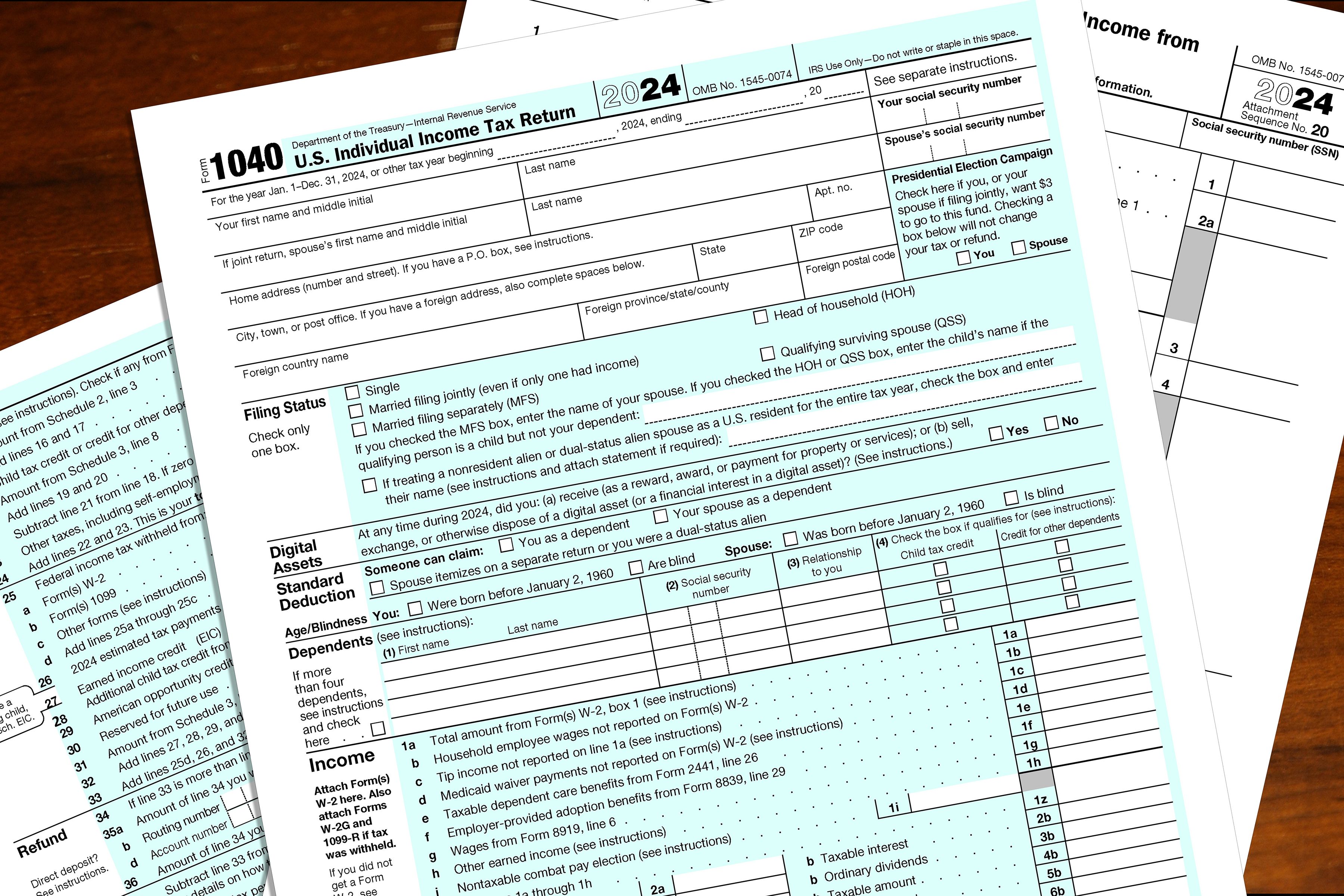
One of the most frequent mistakes people make when filing taxes is providing incorrect or incomplete information. This includes errors in Social Security numbers, incorrect bank account details for direct deposit, or missing forms. Double-check all entries before submitting your return to ensure accuracy.
Another related issue is not reporting all sources of income. It's important to include all earned income, interest, dividends, and other sources, as failure to do so can trigger an audit or result in penalties.
Choosing the Wrong Filing Status
Selecting the correct filing status is crucial for determining your tax bracket and potential deductions. Many people mistakenly choose the wrong status, such as filing as "Single" instead of "Head of Household." Each status has specific qualifications, so ensure you meet the criteria for the one you select.
Consulting a tax professional can provide clarity if you're uncertain about which status applies to your situation. They can help navigate complex scenarios like divorce or shared custody arrangements.

Overlooking Deductions and Credits
Tax deductions and credits can significantly reduce your tax liability, yet many taxpayers overlook them. Commonly missed deductions include student loan interest, medical expenses, and charitable contributions. Similarly, credits such as the Earned Income Tax Credit (EITC) can provide substantial savings.
To avoid missing out on these opportunities, keep thorough records throughout the year and research which deductions and credits you qualify for. Using tax software often helps identify eligible deductions based on your information.
Filing Late or Not at All
Procrastination can lead to serious consequences when it comes to taxes. Filing late or not at all can result in penalties and interest on any taxes owed. If you're unable to file by the deadline, consider applying for an extension, which gives you additional time to submit your return but doesn't extend the payment deadline.

How to Avoid These Mistakes
- Start Early: Give yourself plenty of time to gather documents and complete your return without rushing.
- Use Technology: Consider using tax filing software that guides you through each step and checks for errors.
- Stay Informed: Tax laws change frequently, so staying updated on new regulations can prevent costly mistakes.
- Consult a Professional: When in doubt, seek advice from a tax professional who can provide personalized guidance.
By avoiding these common mistakes, you can ensure a smoother tax filing process and potentially save money in the long run. Remember that preparation and attention to detail are key components of successful tax management.