Common Tax Filing Mistakes and How to Avoid Them


Understanding Common Tax Filing Mistakes
Filing taxes can be a daunting task, especially with the myriad of details that demand attention. Mistakes can happen easily, but understanding the common pitfalls can help you avoid them and ensure a smooth filing experience.
Errors in tax returns can delay your refund, trigger audits, or lead to penalties. Let's explore some frequent mistakes and how to steer clear of them.
Incorrect Personal Information
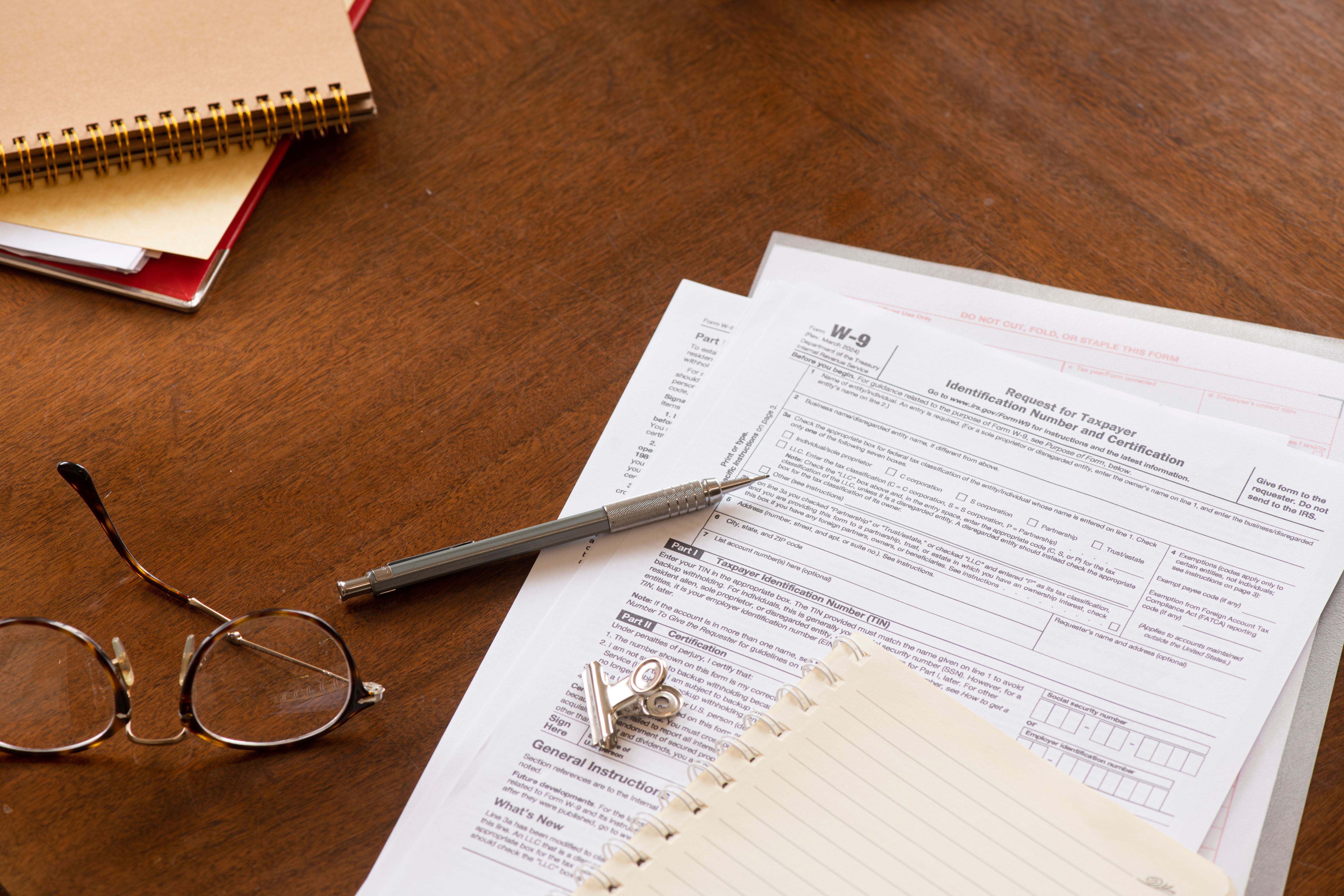
One of the simplest yet most common mistakes is entering incorrect personal information. This includes your Social Security Number, name, and filing status. A small typo can cause significant issues with processing your return.
Double-check all personal details before submitting your return. Ensure that your information matches the records with the Social Security Administration.
Income Reporting Errors
Failing to report all income sources is another frequent error. This includes wages, dividends, and any freelance work. Forgetting to include all sources can lead to underreporting your income.
To avoid this, keep a detailed record of all income sources throughout the year. Cross-reference your records with your W-2s and 1099s to ensure accuracy.

Overlooking Deductions and Credits
Missing out on deductions and credits can cost you significantly. Many taxpayers overlook valuable deductions, such as those for education, medical expenses, or charitable contributions.
Research available deductions and credits to ensure you're not leaving money on the table. Consider consulting a tax professional to help identify opportunities you might have missed.
Filing Late or Paying Late
Procrastination can lead to late filing or late payments, resulting in penalties and interest charges. The IRS imposes penalties for both late filing and late payments, which can add up quickly.
To prevent this, mark your calendar with key tax deadlines and start preparing early. If you anticipate a delay, consider filing for an extension to avoid penalties.

Mathematical Errors
Simple calculation errors can lead to incorrect tax returns. With the complexity of tax forms, it's easy to make mistakes in arithmetic.
Utilize tax software or a calculator to double-check your math. Many software programs automatically calculate figures, reducing the risk of errors. Alternatively, hiring a tax professional can provide peace of mind.
Not Retaining Records
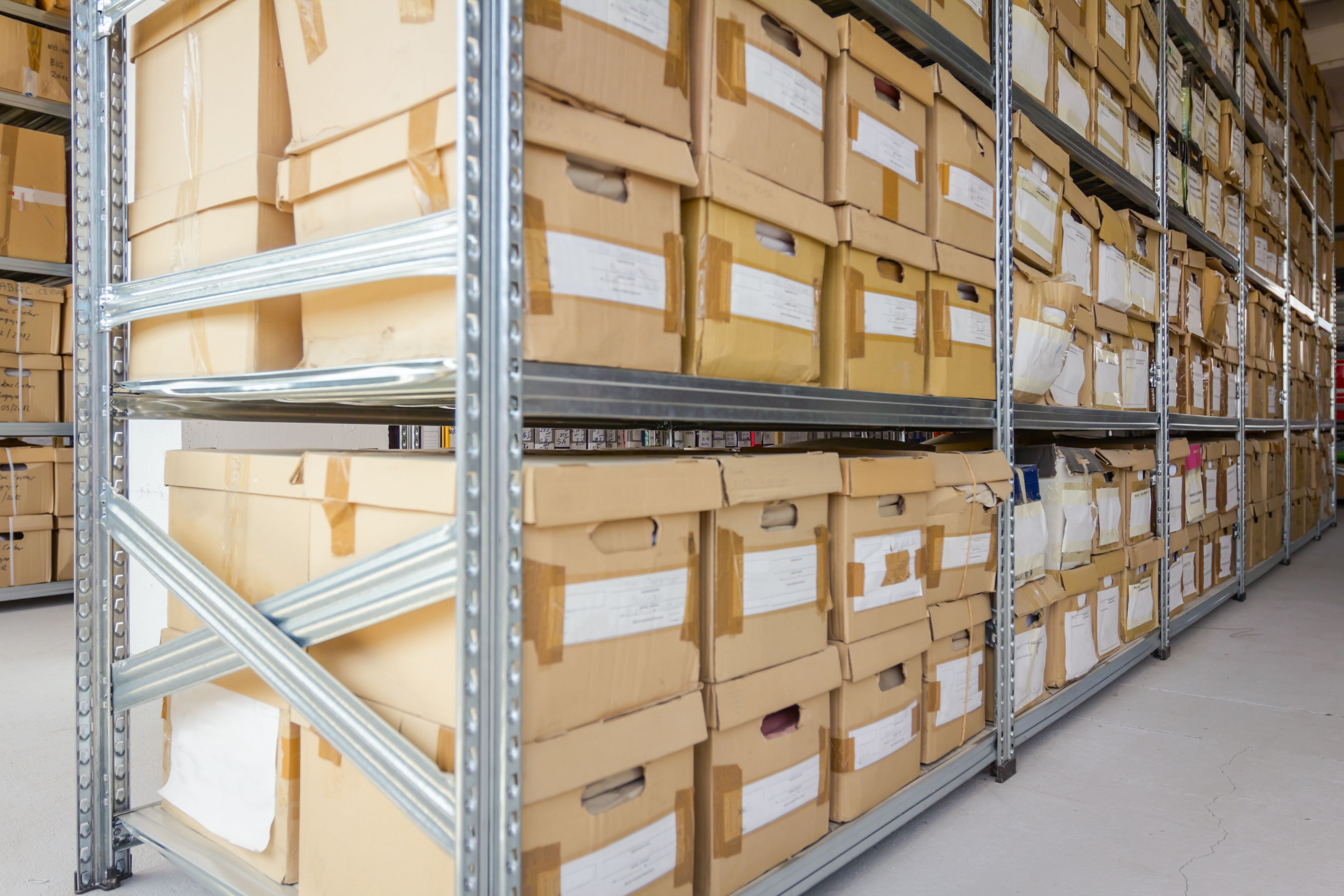
Keeping records of your tax filings and supporting documents is crucial. The IRS recommends retaining records for at least three years from the date you filed your return.
Organize your documents in a secure location, whether in a physical file or digitally. This practice can protect you in case the IRS questions your return.
By being aware of these common mistakes and taking proactive measures, you can make the tax filing process less stressful and more efficient. Preparation and attention to detail are key to avoiding errors and ensuring that your tax return is accurate and complete.