Common Tax Filing Mistakes for Businesses and How to Avoid Them


Understanding Common Tax Filing Mistakes
When it comes to filing taxes, businesses often encounter a variety of pitfalls that can lead to costly errors. Understanding these common mistakes is the first step in avoiding them. Accurate tax filing is crucial for maintaining financial health and avoiding penalties.
One prevalent mistake is neglecting to report all sources of income. Businesses, especially those with multiple revenue streams, may accidentally omit income, leading to underreporting. This can attract unwanted attention from tax authorities and result in penalties.

Maintaining Accurate Records
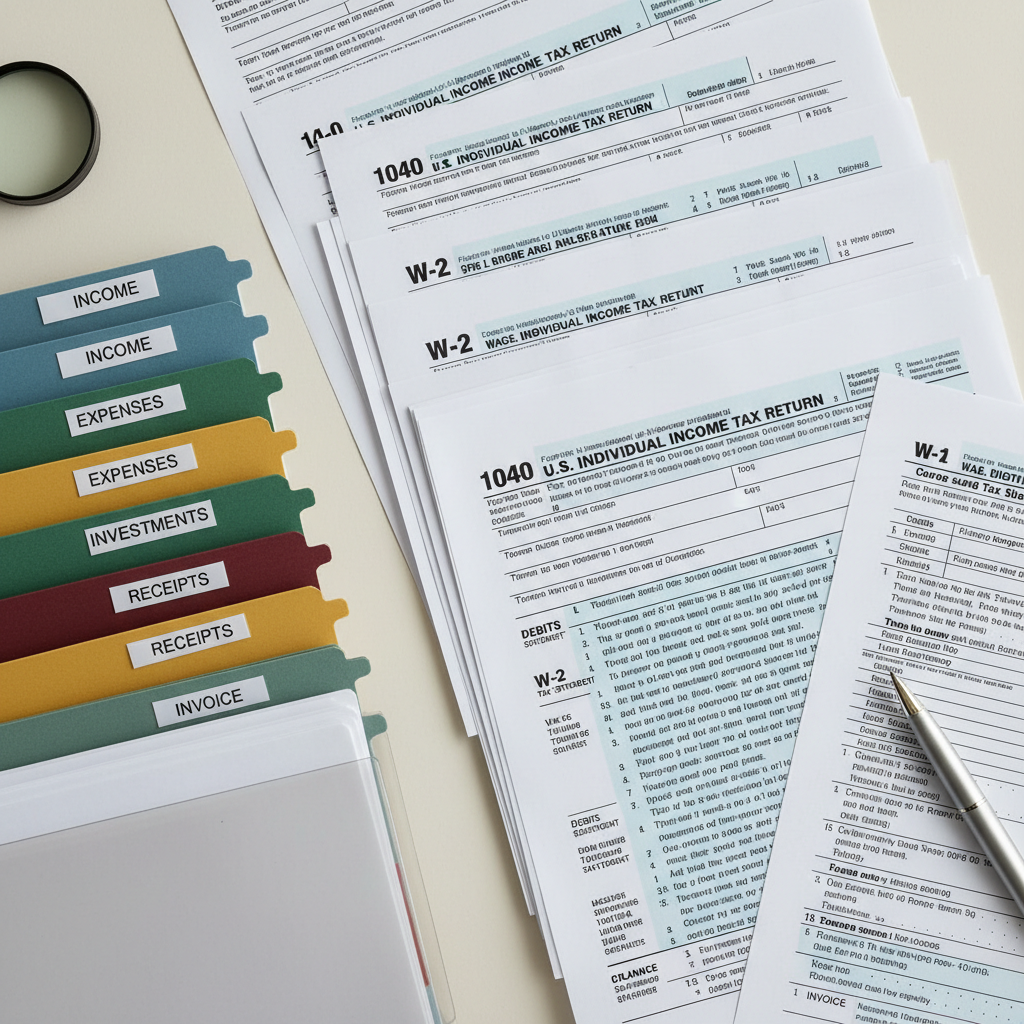
Another common issue is poor record-keeping. Accurate records are essential for verifying income and expenses. Businesses should implement a robust system for tracking financial transactions throughout the year. This includes receipts, invoices, and bank statements.
Failing to maintain organized records can lead to errors in tax calculations and missed deductions. To prevent this, consider using accounting software that integrates with your business operations, ensuring all data is up-to-date and easily accessible.
Avoiding Misclassification Errors
Misclassification of workers is another frequent mistake. Businesses sometimes incorrectly classify employees as independent contractors. This misstep can lead to incorrect tax filings and potential legal issues.
It’s essential to understand the difference between employees and contractors. The IRS provides guidelines to help determine the correct classification based on factors like control over work and financial arrangements.
Understanding Deduction Limits
Businesses often overlook or misunderstand deduction limits. Claiming excessive or incorrect deductions can lead to audits and penalties. Commonly misunderstood deductions include business meals, travel, and entertainment expenses.
Ensure you’re familiar with the current tax code and the specific requirements for each deduction. Consulting with a tax professional can help clarify complex deduction rules and ensure compliance.

Filing Timely and Accurately
Missing tax filing deadlines is a mistake that can result in significant penalties. Businesses should be aware of key dates and plan accordingly to ensure timely submissions. Consider setting reminders and utilizing tax software to streamline the filing process.
Accuracy is equally important. Double-check all entries for errors, and ensure all necessary forms and schedules are included in your submission. Simple mistakes can lead to delays and further complications.
Leveraging Professional Assistance
For many businesses, navigating the complexities of tax filing can be overwhelming. Hiring a tax professional can be a wise investment. These experts can provide valuable insights, ensure compliance, and potentially save money by identifying applicable deductions and credits.

In conclusion, avoiding common tax filing mistakes requires diligence, organization, and a thorough understanding of tax regulations. By addressing these common pitfalls, businesses can achieve a smoother, more efficient tax filing process, minimizing the risk of errors and penalties.