DIY Bookkeeping Tips for Small Businesses in Virginia


Getting Started with DIY Bookkeeping
Managing your own bookkeeping can be a cost-effective way for small businesses in Virginia to keep track of their financials. While professional accountants offer valuable services, small business owners can save money and gain greater financial insight by taking on this task themselves.
The first step in DIY bookkeeping is to familiarize yourself with basic accounting principles. Understanding these concepts will help you manage your books accurately, ensuring you stay compliant with state regulations. Consider taking a local workshop or online course to build your foundational knowledge.

Utilize the Right Tools
Technology can simplify the bookkeeping process. There are numerous accounting software options available tailored for small businesses. Some popular choices include QuickBooks, Xero, and FreshBooks. These platforms offer user-friendly interfaces and automation features that can save you time and reduce errors.
When selecting software, consider the specific needs of your business. Look for features like invoicing, expense tracking, and financial reporting. Many programs also offer integrations with other business tools, streamlining your workflow.
Organize Your Financial Documents
Keeping your financial documents organized is crucial for effective bookkeeping. Create a system for storing receipts, invoices, and bank statements. This can be done digitally using cloud storage solutions like Google Drive or Dropbox, which allow you to access your documents from anywhere.
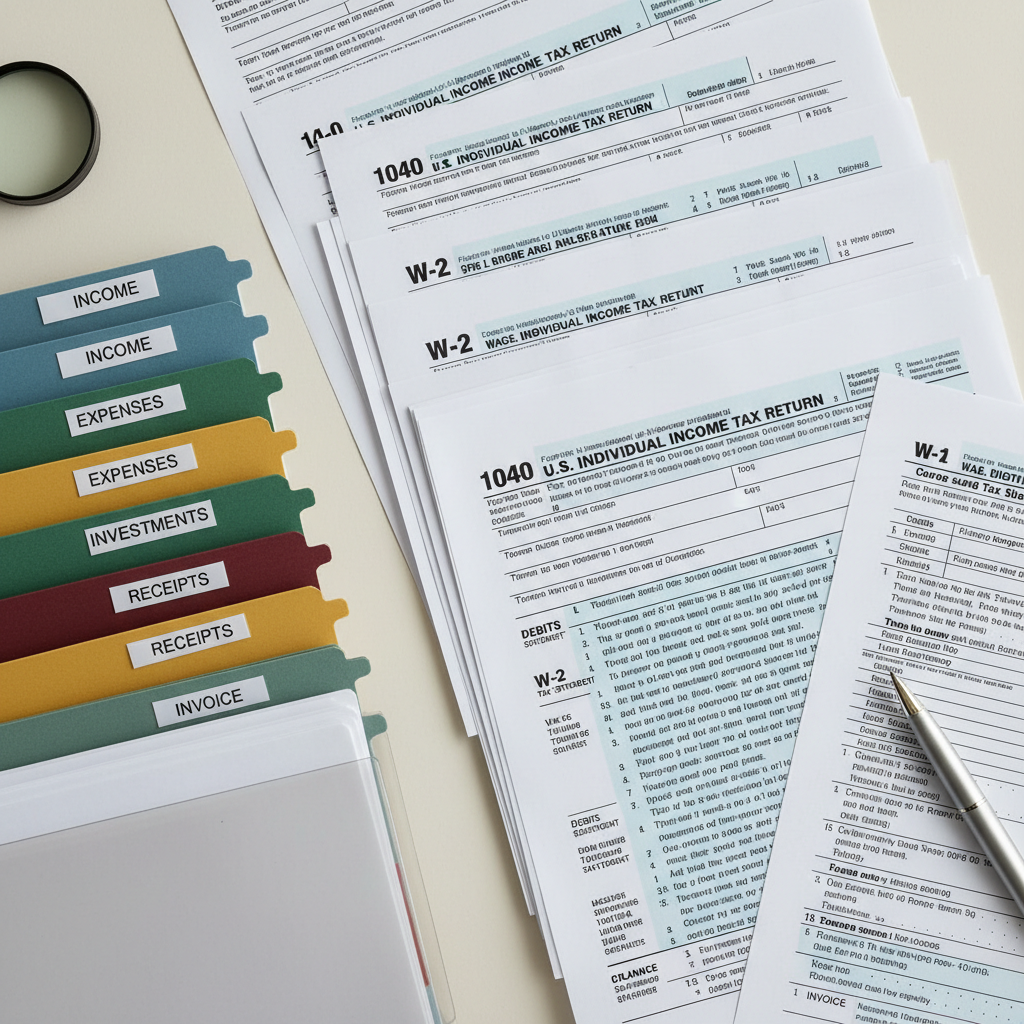
Consider setting up folders for different categories such as expenses, income, and taxes. Regularly updating and categorizing your documents will make it easier to find information when needed and ensure nothing is overlooked during tax season.
Track Income and Expenses Diligently
Accurate tracking of income and expenses is essential for understanding your business's financial health. Regularly update your records to reflect transactions, and categorize them appropriately. This practice not only helps in budgeting but also provides insights into financial trends.
Set aside time each week to review and update your books. Consistency in updating your records will prevent discrepancies and make the bookkeeping process more manageable.

Prepare for Tax Season
One of the most critical aspects of bookkeeping is preparing for tax season. Keep track of deductible expenses and maintain detailed records to ensure you maximize your deductions. Familiarize yourself with Virginia's tax requirements to avoid any compliance issues.
Consider consulting with a tax professional periodically to ensure you're on the right track. They can provide valuable guidance and help you identify potential tax-saving opportunities.
Regularly Review Financial Reports
Financial reports, such as profit and loss statements and balance sheets, provide a snapshot of your business’s performance. Regularly reviewing these reports will help you make informed business decisions and identify areas for improvement.
By understanding your financial reports, you can better manage cash flow, control expenses, and set realistic financial goals. This proactive approach will contribute to your business's long-term success.
In conclusion, DIY bookkeeping can be a rewarding endeavor for small business owners in Virginia. By utilizing the right tools, staying organized, and keeping accurate records, you can gain valuable financial insights and maintain control over your business finances.