DIY Tips for Organizing Tax Documents Efficiently


Start with a System
Organizing your tax documents doesn't have to be daunting. The first step is to establish a consistent system. Whether you prefer digital or paper records, choose a method that aligns with your habits. For digital organization, consider using cloud storage like Google Drive or Dropbox. For physical documents, a filing cabinet with labeled folders can work wonders.
Consistency is key. Once you've chosen your method, stick to it throughout the year. This will save you time and stress when tax season arrives.

Sort and Categorize
Sorting your documents into categories is crucial for quick access. Common categories include income, expenses, receipts, and deductions. Use separate folders or digital folders for each category. This will make it easy to find specific documents when needed.
Make sure to review and update these categories regularly. As your financial situation changes, you might need to add or remove categories to better suit your needs.
Utilize Technology
Take advantage of technology to streamline your organization process. Apps like Expensify and QuickBooks can help track receipts and expenses effortlessly. These tools often allow you to scan and store documents directly from your smartphone, reducing paper clutter.
Backing up your files is also essential. Regularly back up your digital tax documents to prevent data loss. Consider setting up automatic backups to ensure your information is always safe.

Create a Timeline
Set a timeline for organizing your tax documents. Regularly updating your records, such as once a month, can make a significant difference. Dedicate a specific day or time each month to review and sort your documents. This habit will help prevent last-minute scrambling during tax season.
Additionally, mark important tax-related dates on your calendar. Knowing deadlines for filing and payments will keep you on track and reduce the risk of penalties.
Label and Archive
Proper labeling is essential for efficient document retrieval. Label each folder or digital file clearly with the year and category. For physical documents, consider using color-coded folders to differentiate categories quickly. For digital files, use descriptive names and tags for easy searching.
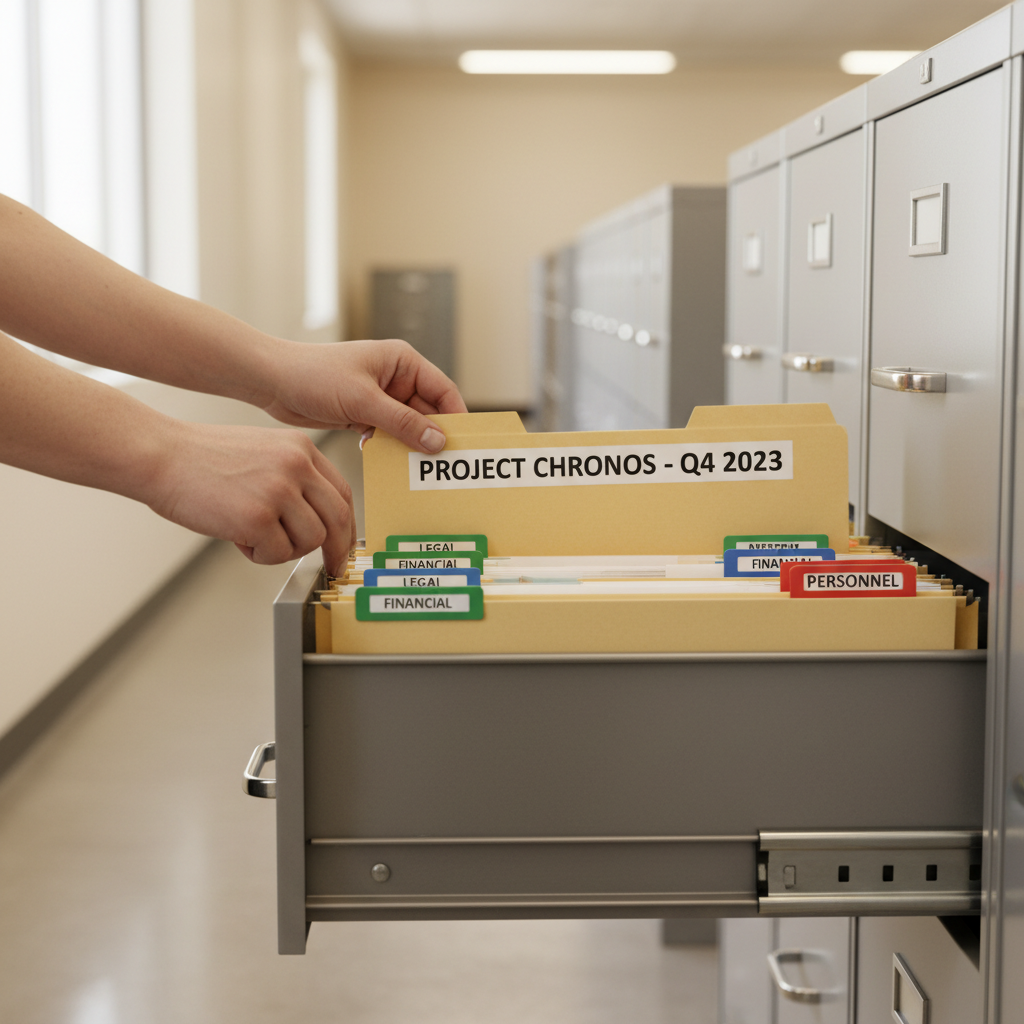
Archiving past years' tax documents is also crucial. Keep documents for at least seven years to comply with IRS guidelines. Store archived files separately from current documents to avoid confusion.
Seek Professional Help
If managing tax documents becomes overwhelming, don't hesitate to seek professional help. Hiring a tax professional or accountant can provide peace of mind and ensure accuracy. They can also offer advice on best practices for organizing your documents.
Remember, investing in professional assistance can save you time and prevent costly mistakes in the long run.