Essential Year-End Financial Planning Strategies for Virginia Business Owners


Understand Your Current Financial Position
As the year draws to a close, Virginia business owners should take a comprehensive look at their current financial position. This involves reviewing balance sheets, income statements, and cash flow statements. Understanding these documents will provide a clear picture of your business's financial health and help identify areas for improvement.
Evaluate Tax Strategies
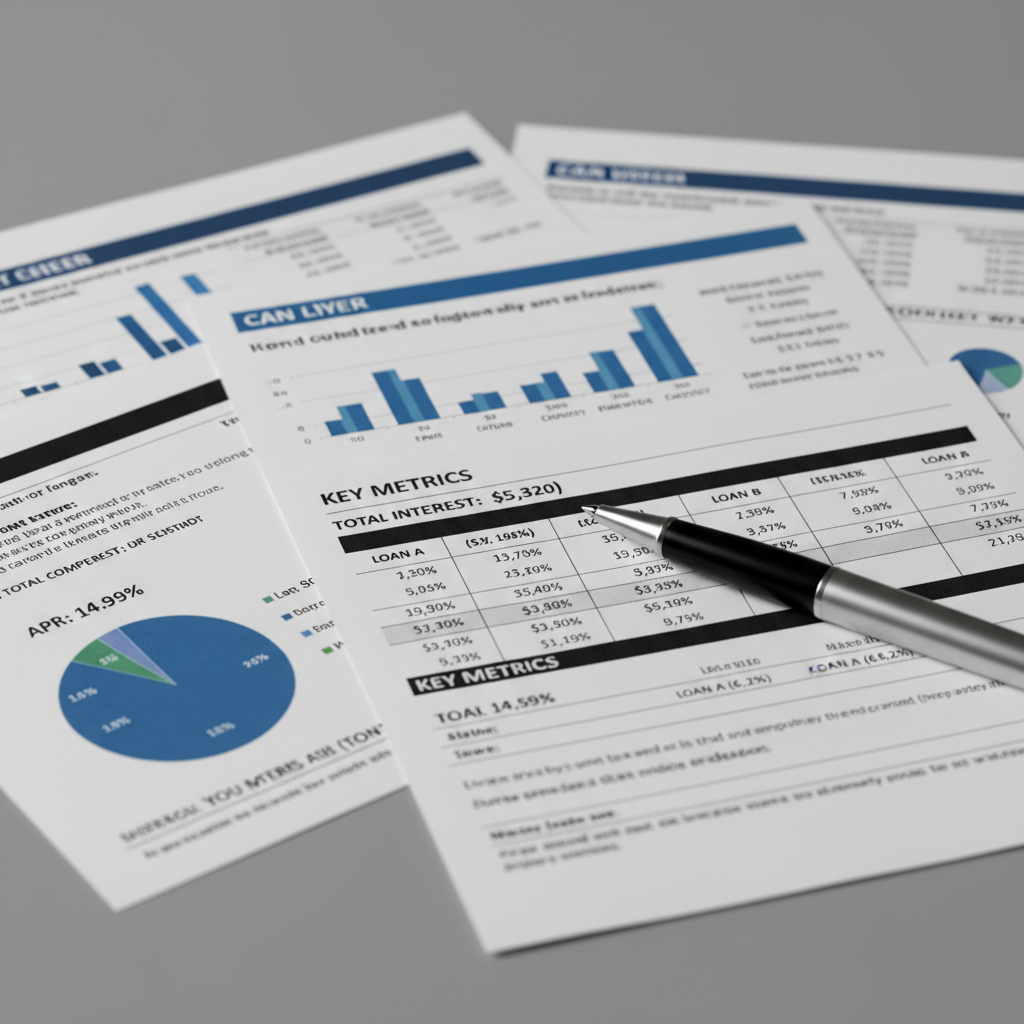
Year-end is an ideal time to assess tax strategies. Virginia business owners can benefit from consulting with a tax professional to explore potential deductions and credits. Consider deferring income to the next year or accelerating expenses to lower taxable income. Implementing effective tax strategies can lead to significant savings.
Plan for Retirement Contributions
Business owners should also consider making retirement plan contributions before year-end. Contributing to retirement accounts not only secures your future but can also provide immediate tax benefits. Evaluate options such as SEP IRAs, SIMPLE IRAs, or 401(k) plans to determine which is most beneficial for your business.

Review and Adjust Your Budget
Revisiting your budget is essential for effective year-end financial planning. Analyze your budget to see where you met, exceeded, or fell short of expectations. Use these insights to make necessary adjustments for the upcoming year, ensuring a realistic and achievable financial plan.
Assess Inventory Levels
For businesses dealing with physical products, assessing inventory levels is crucial. Evaluate inventory to identify excess stock or items that are not selling. Consider promotional strategies to clear out slow-moving inventory, which can improve cash flow and reduce storage costs.

Strengthen Your Financial Reserves
Building a robust financial reserve is vital for stability. Ensure you have adequate emergency funds to cover unforeseen expenses or downturns in business. Aim to set aside at least three to six months' worth of operating expenses as a safety net.
Set Goals for the New Year
Finally, the year-end is an excellent time to set financial goals for the upcoming year. These goals should be specific, measurable, attainable, relevant, and time-bound (SMART). Whether it's increasing revenue, reducing debt, or expanding your customer base, having clear objectives will guide your business strategy.
By following these essential year-end financial planning strategies, Virginia business owners can position their businesses for success in the coming year. Taking the time to assess, plan, and adjust will ensure a stronger financial foundation and a more prosperous future.