Expert Tips for Small Business Tax Management


Understanding the Basics
Managing taxes is a crucial aspect of running a small business. A solid grasp of tax fundamentals can save you time, money, and stress. Start by familiarizing yourself with the types of taxes you need to pay, such as income tax, payroll tax, and sales tax. Consider consulting with a professional to get a clear understanding of your obligations and deadlines.

It's also important to keep accurate records of all financial transactions. Maintaining organized documentation will not only help you stay compliant but also make it easier to identify potential deductions and credits.
Utilizing Tax Software
Investing in reliable tax software can significantly streamline your tax management process. These programs can automate many tasks, from calculating your tax liability to filing your returns electronically. Look for software that integrates with your accounting system for seamless data transfer.
Additionally, tax software can provide reminders for important deadlines and offer guidance on tax regulations, ensuring you stay updated with any changes in the law.
Maximizing Deductions and Credits
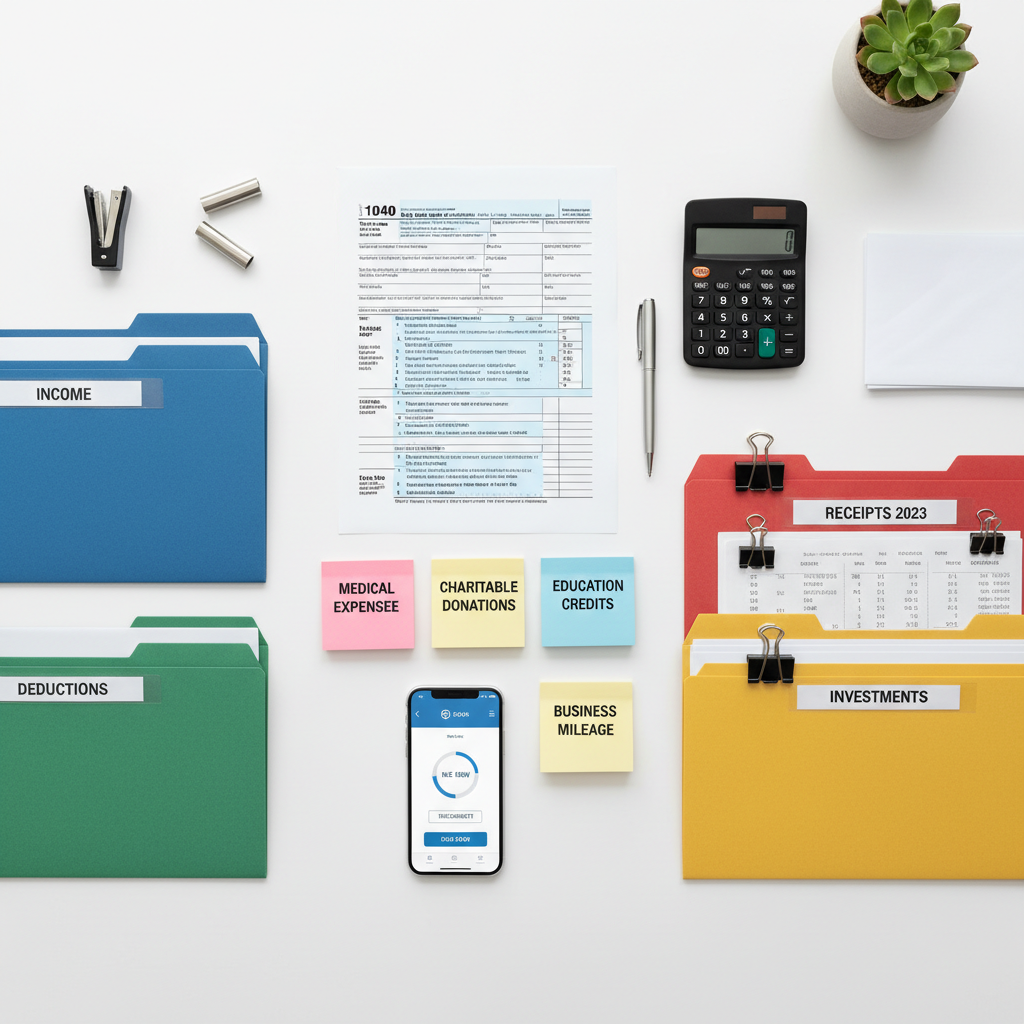
One of the best ways to reduce your tax liability is by taking advantage of all available deductions and credits. Common deductions include business expenses like office supplies, travel, and marketing costs. Tax credits can also provide significant savings, so research any that apply to your industry or business model.
Keep detailed records and receipts to support your claims, and consider working with a tax professional to identify deductions and credits you might have missed.
Planning Ahead
Effective tax management requires long-term planning. Set aside funds throughout the year to cover your tax obligations. This proactive approach can prevent cash flow issues when payments are due.

Consider adjusting your tax strategy as your business grows. Regularly reviewing your financial situation and forecasts will help you make informed decisions about your tax planning.
Seeking Professional Guidance
While some small business owners prefer to handle taxes themselves, hiring a tax professional can provide peace of mind and ensure accuracy. Professionals are skilled at navigating complex tax laws and can offer personalized advice tailored to your business needs.
Working with a professional can also free up your time, allowing you to focus on other important aspects of your business.
Staying Informed
Tax laws and regulations are subject to change, so it's essential to stay informed. Sign up for newsletters, attend workshops, and follow industry news to keep up with any updates that might affect your business.

Being proactive and informed can help you avoid potential pitfalls and ensure compliance with tax regulations.